
Pomeranian Training and Socialisation
Cultivating a dialogue with an acute and, at times, wilful intelligence. A refined guide to the most effective techniques for educating your Zwergspitz.
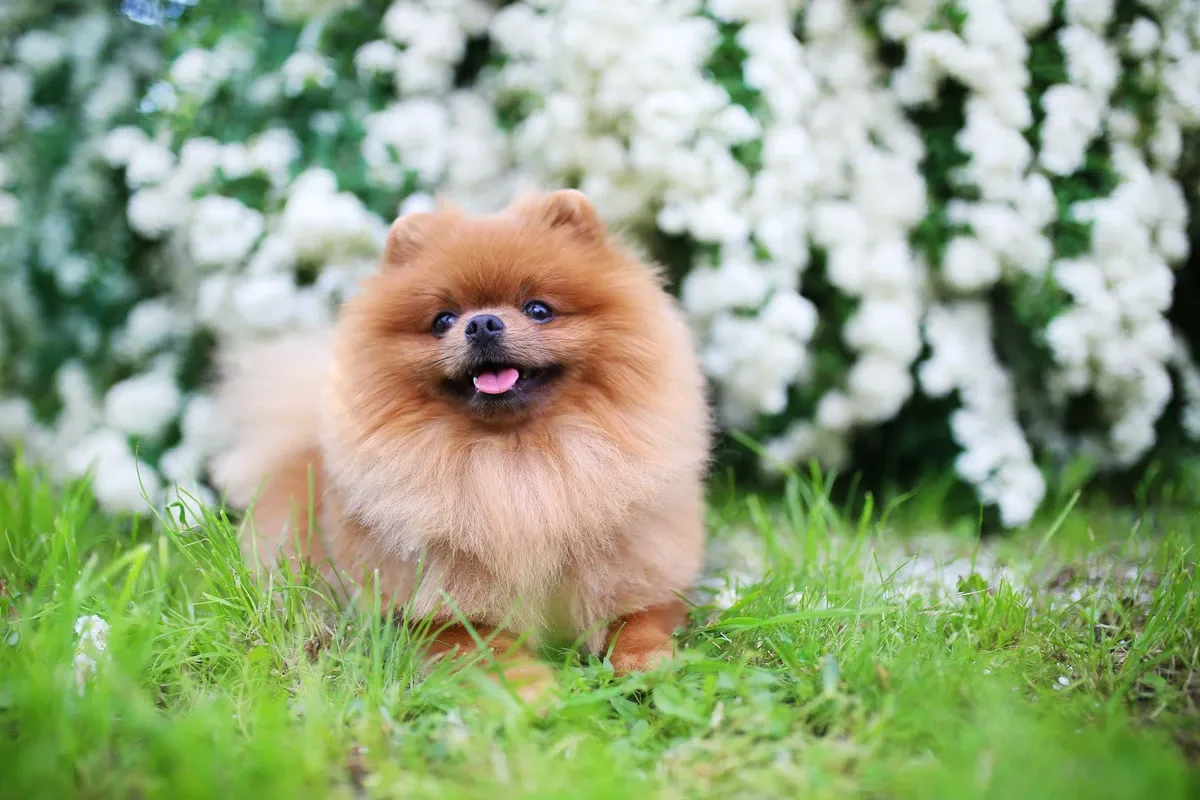
Understanding the Pomeranian: The Path to a Harmonious Bond
Training a Zwergspitz (Pomeranian) is not merely a challenge of obedience, but a fascinating endeavour into the psyche of a dog with a towering personality. Their intelligence, ranked among the most acute in the canine world, allows them to master commands and routines with astonishing celerity. However, this same brilliance, inherited from their larger Spitz ancestors, also renders them adept strategists, capable of developing an obstinate nature if not properly motivated.
Understanding their psychology is the essential first step: you are not training a passive lapdog, but a spirited companion who requires you to be a consistent, engaging, and trustworthy guide. The correct approach will not only yield a well-mannered dog but will forge an indissoluble bond based on collaboration and mutual respect.
The Fundamental Pillars: A Philosophy of Effective Training
To successfully educate a Pomeranian and transform them into a balanced life partner, it is essential to base every interaction upon three unshakeable pillars.
1. Positive Reinforcement: The Key to Collaboration
This is the only scientifically proven and ethically sound method. It consists of rewarding every desired behaviour the exact instant it occurs. Physical or verbal corrections (shouting, jerking the lead) are not only ineffective but profoundly damaging: they generate fear, anxiety, and insecurity, undermining the foundation of trust and prompting the Pomeranian to either withdraw or become reactive.
- What to use: High-value morsels (small pieces of frankfurter, cheese, or specific gourmet treats), enthusiastic praise (“Good boy/girl!”), firm strokes (avoiding pats on the head), or access to a cherished toy.
- How to use it: The reward must be immediate to allow the dog to associate the action with the positive outcome.
2. Consistency and Fortitude: The Structure of Security
A Pomeranian is a master at observing and exploiting inconsistencies. If they are permitted on the sofa one day and forbidden the next, they will not learn a rule; they will only learn that the rule is worth testing.
- Familial Consistency: All members of the household must employ the same vocal and gestural commands and apply identical rules. Consistency creates a predictable environment in which the dog feels secure and understands precisely what is expected.
- Absolute Patience: Learning is rarely linear. There will be days of incredible progress and days of apparent regression. This is entirely natural. Maintaining composure and patience is vital to navigating these phases without frustration.
3. Concise and Stimulating Engagements: Respecting Their Vivacious Nature
Pomeranians, like many highly intelligent breeds, possess a relatively brief attention span for repetitive activities. Imposing lengthy training sessions is counterproductive.
- Duration: Sessions of 5–10 minutes maximum, repeated 2–3 times daily, are exponentially more effective than a single 30-minute lesson.
- Atmosphere: Training should be perceived as a game. Use a cheerful tone of voice and transform learning into a delightful and engaging activity. Always conclude on a high note of success to leave a lasting positive impression on the dog.
Crucial Phases of Pomeranian Puppy Education
Early Socialisation (3–16 Weeks): A Window to the World
Socialisation is the most critical element in preventing future behavioural issues. Given their natural wariness of strangers and their diminutive size—which can lead to timidity—exposing the puppy to a wide variety of stimuli in a positive and controlled manner is paramount.
Socialisation Checklist:
- People: Men, women, children of various ages (always under strict supervision), and individuals with hats, glasses, or walking sticks.
- Animals: Other vaccinated, calm, and balanced dogs. Interaction must always remain positive.
- Environments: City streets, parks, dog-friendly establishments, and moving vehicles (short, pleasant journeys).
- Sounds and Surfaces: The hum of a vacuum cleaner, traffic, doorbells, grass, tarmac, and gravel.
House Training: An Exercise in Diligence
Small breeds possess smaller bladders and a faster metabolism. House training requires unwavering commitment.
- Frequent Outings: Take the puppy outside every 1–2 hours, and always following naps, meals, and play.
- Designated Area: Always lead them to the same spot and use a vocal cue such as “Be quick” or “Go potty.”
- Immediate Reward: The moment they finish, reward them with unbridled enthusiasm and a tasty treat.
- Managing Accidents: Should an accident occur indoors, never resort to punishment. Clean the area thoroughly with an enzymatic product to eliminate all olfactory traces, preventing them from returning to the same spot.
Managing “Challenging” Behaviours in the Zwergspitz
The Pomeranian’s intelligence, if not correctly channelled, can manifest in behaviours that owners may find problematic. Here is how to manage them with grace.
Vocalisation: From Guardian to Sentinel
The German Spitz was bred as a watchman and an announcer. Barking is woven into its DNA. The objective is not to eliminate it entirely, but to govern it.
- The Cause: Identify the trigger (boredom, alertness, seeking attention, or excitement).
- The Solution: Rather than shouting “Quiet!”, teach a command such as “Silence” or “Thank you.” The moment they cease barking, even for a second, reward them. Teach them that silence yields a greater dividend. Limit access to street-facing windows if that serves as a primary trigger.
Separation Anxiety: A Bond Too Strong?
Being exceptionally devoted to their owners, they can develop anxiety when left alone.
- Prevention: Accustom the puppy to brief periods of solitude from the very beginning.
- Desensitisation: Ensure your departure is a non-event. Ignore them for 10–15 minutes before leaving and upon your return.
- Positive Association: Provide an interactive toy (such as a food-stuffed Kong) that they receive exclusively when left alone.
Perceived “Obstinacy”: Defiance or Lack of Motivation?
When a Pomeranian refuses to obey a command they clearly understand, it is rarely out of defiance. More likely, they are communicating: “This activity is tedious” or “What is my incentive?”.
- Enhance the Value: Use more palatable and interesting rewards.
- Be the Most Engaging Presence: Training must be more stimulating than anything else in the environment. Employ play, movement, and genuine enthusiasm.
- Calm Leadership: This is not about dominance, but authority. Be the calm, consistent, and secure guide they require, and they will be delighted to follow you.
Proper training is not limited to teaching commands. It signifies providing the Zwergspitz with the mental stimulation they desperately crave, preventing boredom, building their self-esteem, and indelibly strengthening the marvellous bond that will unite you for a lifetime.
Refining Your Expertise
Now that you have mastered the art of education, discover how your Pomeranian can excel in prestigious shows and sporting disciplines, or return to the main summary.