
The New Owner’s Compendium
Welcoming and Educating a Pomeranian Puppy
Are you enchanted by the fluffy allure of this small, joyful companion but unsure how to prepare? Rest assured, we are here to guide you. Prepare to forge a profound bond and experience a serene life together: an informed owner is the foundation of a flourishing puppy.

Essential Preparations for Your Pomeranian's Arrival
Creating the perfect environment is the first step towards a happy life together. Here is how to prepare your estate for its newest resident.
A Puppy-Proof Sanctuary
First and foremost, ensure your home is puppy-proof. Your Pomeranian should explore the house gradually and always under your initial supervision. Consider a pet playpen or a safety gate to demarcate secure areas. Remove toxic plants, chewable cables, detergents, or poisons, and safeguard fine furniture or rugs that might be susceptible to damage.
The Nighttime Haven
Consider acquiring a travel carrier of the appropriate dimensions: it should be slightly generous for the puppy's size, yet not excessive. This will serve as their comfortable "haven" for the night, positioned near your bed. The puppy will perceive it as a safe and reassuring space, facing the nocturnal hours without stress and within scent-range of you. Enrich the space with their favourite toy to help alleviate any potential stress.
Suitable Toys
Finding toys suited to the size and chewing instincts of the Pomeranian is vital for directing their energy and venting stress. Choose lightweight fabric plushies, without excessive noise, which are easy for a puppy to manage. Classic rope toys for biting and tugging are also highly favoured. Always avoid biscuits or treats as substitutes for interactive play.
Bedding and Rest
For your Pomeranian's rest, a small rug or a soft cloth is sufficient. The priority is that the puppy can rely on a dedicated space to stretch out and relax. Since a pillow might become a target for chewing or accidental soiling, always choose elements that are easy to wash, durable, and, if possible, have a spare available.
Maintenance and Hygiene of Essentials
The puppy's toys and accessories must be kept clean and washed regularly. When laundering, you may avoid fabric softeners (which add excessive fragrance) and prefer sanitising detergents. Baby-safe products are ideal as they guarantee low chemical residue, ensuring safety for your Pomeranian.
Food and Water Bowls
Purchase a food bowl and a water bowl in advance, preferably in stainless steel or ceramic: these are more hygienic and effortless to clean. Select stable models that do not tip easily and remember to refresh the water frequently to ensure its pristine quality.
Harness and Lead
Introduce the harness and lead to your puppy early. Even if they cannot venture outside immediately (not before the vaccination cycle is complete!), it is wise to acclimatise them gradually. Select an adjustable H-shaped model, which protects the dog's delicate trachea and elbows. Pair it with a lightweight lead suited to their size.
Grooming Kit
Procure your first essential grooming kit: a soft brush, a fine-toothed comb, and nail clippers specifically for small breeds are indispensable. Begin gently grooming the puppy early so they associate the process with a pleasurable moment spent with you. Do not hesitate to trim the nails cautiously as soon as they grow.
Hygiene Management
Stock up on absorbent hygiene mats and position them strategically throughout the home, especially in frequent thoroughfares or rest areas. In this initial phase, an abundance of mats can assist the puppy in understanding where to relieve themselves. Always reward them when they use the correct spot.
Floor Cleaning
Select a high-quality, no-rinse sanitising product for floor cleaning, preferably one specifically formulated for households with pets. Having a mop or absorbent cloths at hand allows for rapid intervention in case of "incidents". Remember that the arrival of a puppy is a domestic revolution, and patience remains the key.
Pomeranian Puppy Nutrition: Practical Insights
Nutrition is fundamental to the development and vitality of your Pomeranian. Approach meal times with serenity and gentleness, following our advice for optimal growth.
Gradual Dietary Transitions
We advise against abruptly changing the puppy’s diet upon arrival at their new home. If you wish to switch products, always proceed with extreme caution, gradually mixing the new food with the old over approximately 10 days to allow the puppy's system time to adapt and avoid digestive upsets.
The Importance of Probiotics
With veterinary approval, administering specific canine ferments and probiotics can enhance the puppy's intestinal biome and support digestion. Although high-quality feeds are comprehensive, industrial processes can sometimes deplete nutrients. Remember that human probiotics are not suitable for dogs.
Feeding Frequency and Glycaemic Control
A young puppy requires nourishment three times a day to avoid glycaemic drops, which could lead to lethargy or confusion. In the event of a sudden drop, a small amount of honey can help them regain strength rapidly. As they grow, they may transition to two meals per day, and as adults, potentially one.
Education and Training of the Pomeranian Puppy
Plan the first weeks with your puppy by establishing clear routines and rules. Consistency and positive reinforcement are vital for a balanced and well-educated Pomeranian.
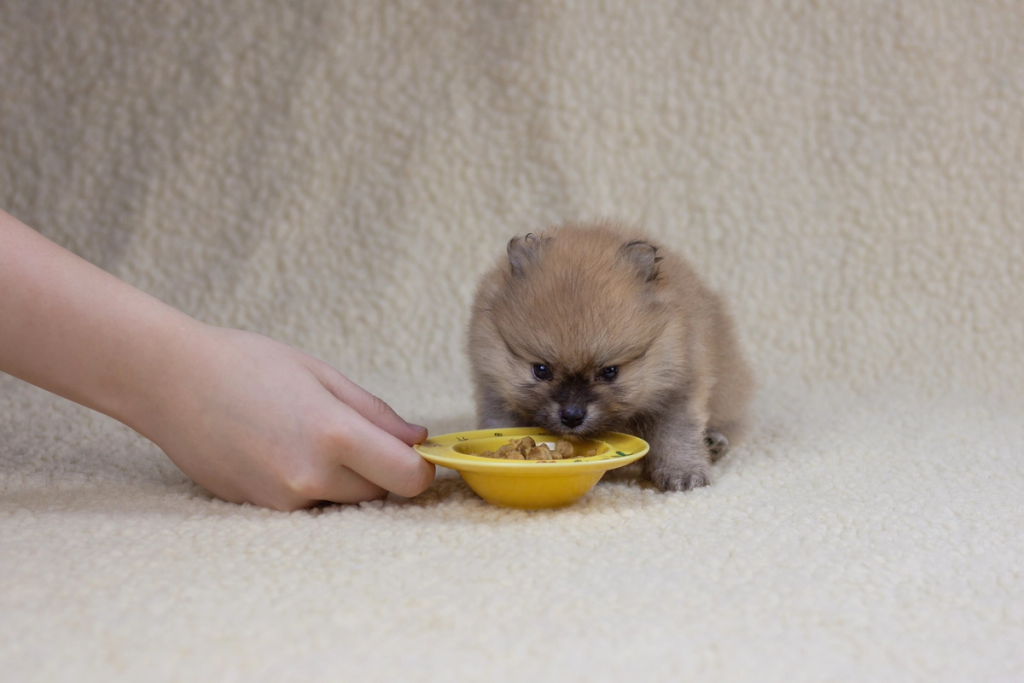
Decide in advance where the puppy will sleep, eat, and relieve themselves. Bear in mind that the puppy must learn rules progressively; this requires immense consistency, patience, and the constant application of positive reinforcement methods (rewarding successes rather than punishing errors).
Socialisation: Begin socialising the puppy with new people, other animals, and diverse environments as soon as their vaccination protocol permits. This will assist them in growing into a balanced and self-assured adult, preventing future fears and phobias.
Remember that canine education is essential for harmonious coexistence. Pomeranians are intelligent dogs, capable of rapid learning: away from excessive distractions, all puppies have the potential to respond to their natural desire to please their human companion. Dedicate quality time to your puppy, as shared play and experiences will accompany you for a lifetime and make your bond truly unique. Discover more about our training pathways and Pomeranian education.
The Veterinarian: A Fundamental Partner in Your Pomeranian's Health
The veterinarian is an essential reference point for every family. Choose a professional attentive to your needs, curious about the Pomeranian breed, and consistently updated.
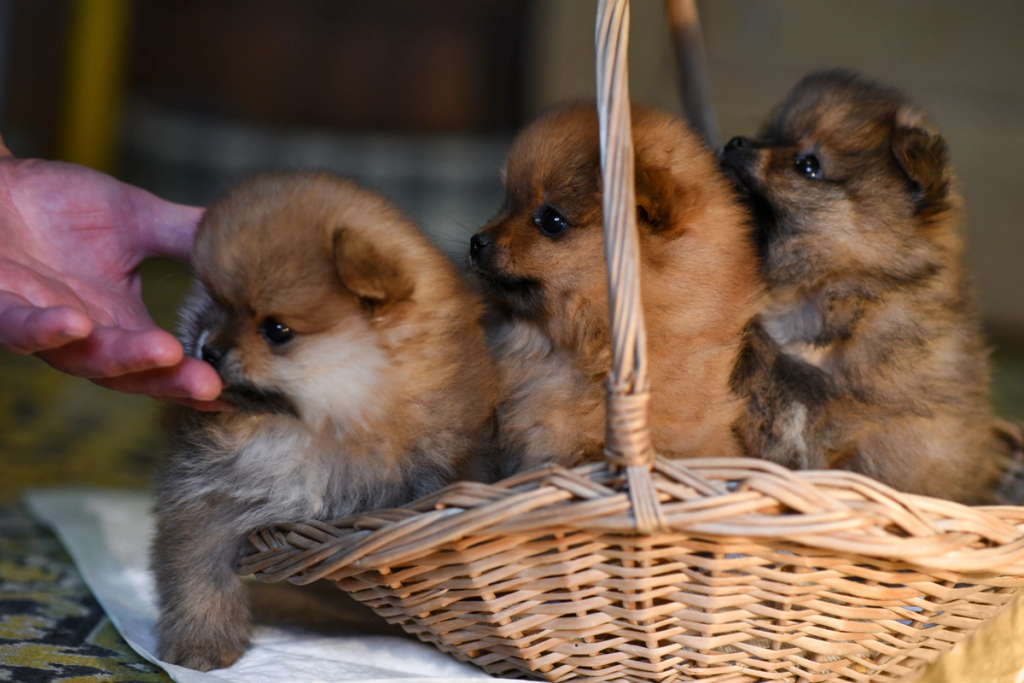
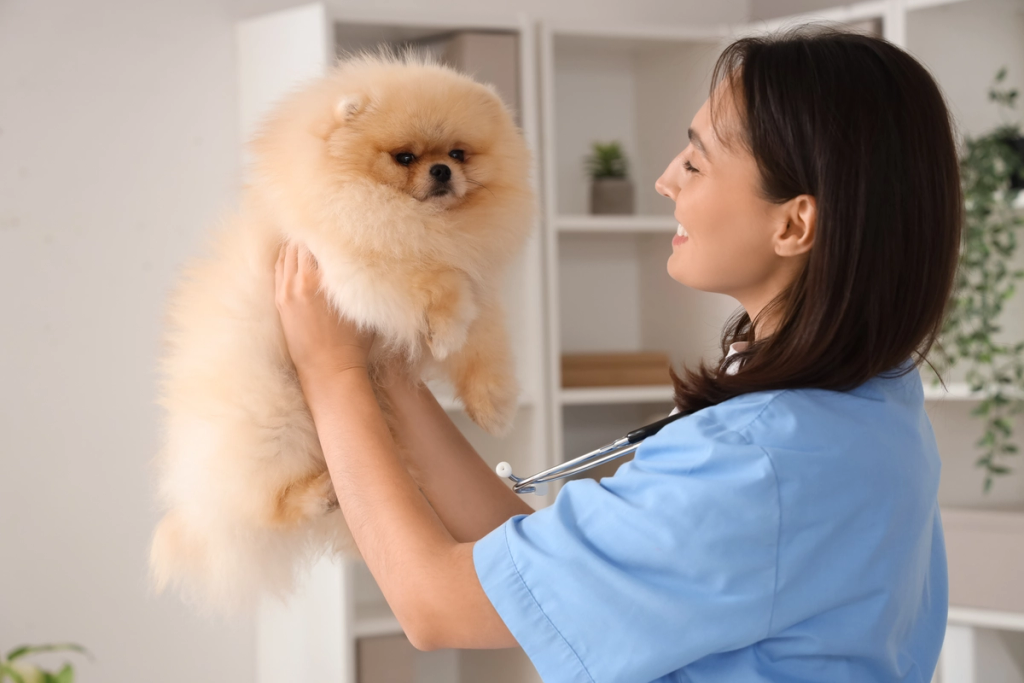
Introduce your puppy to the veterinarian who will supervise them as soon as possible, and schedule regular appointments for check-ups and updates. It is vital that the veterinarian is prepared and informed in the event of a sudden necessity, having full knowledge of your Pomeranian\'s clinical history.
Modern veterinarians undergo continuous professional development, dedicating significant energy to the study and refinement of diagnostics. Select a professional who aligns with your expectations, is mindful of the specificities of the Pomeranian breed, and remains updated on the best sanitary and preventative practices for your companion\'s wellbeing.
Common Pitfalls to Avoid with Your Pomeranian Puppy
Awareness of the most frequent mistakes can help you prevent issues and guarantee a safe, stimulating environment for your Pomeranian's growth.
Vigilance Regarding Toxic Houseplants
Many common indoor plants are toxic to dogs, particularly for a curious Pomeranian puppy. Prior to their arrival, verify and secure all plants to which they might have access. Be mindful of fallen leaves and stagnant water in saucers, which may contain harmful fertiliser residues.
Limiting Jumps, Stairs, and Slips
The Pomeranian may possess certain physical vulnerabilities, such as potential joint issues (e.g., luxating patella). Limit uncontrolled jumping and the frequent use of stairs, especially during the first months of growth when joints are most delicate. Exercise caution with overly smooth or slippery floors, which can lead to injuries.
Double-Checking Insecticides and Detergents
Given the Pomeranian’s diminutive size, even a minimal amount of a toxic substance can be extremely harmful. Never leave poisons, insecticides, or medications unattended. Carefully read the labels of all detergents and solvents, and keep containers securely sealed and out of the puppy’s reach.
Do Not Leave Cables and Chargers Unattended
Puppies are naturally inquisitive and may gnaw on electrical cables, with potentially fatal consequences. Secure all live wires by concealing or shielding them. While this habit tends to disappear with age, prevention remains paramount.
Beware of Unsuitable Materials
Many items marketed "for dogs" are unsuitable for puppies, especially those of small breeds. Padded mats and cushions can be easily destroyed, and their contents—if swallowed—can cause severe digestive upsets or obstructions. Always select robust, safe toys and accessories appropriate for your Pomeranian’s size and chewing habits.
Do Not Panic, But Do Not Ignore Symptoms
If the puppy exhibits unusual behaviour, it is important to maintain a calm environment rather than reacting with agitation. However, anomalous symptoms (e.g., lethargy, vomiting, persistent diarrhoea) must always be taken seriously. An immediate call to the veterinarian or the breeder can be decisive for your Pomeranian’s health.
Avoid Delayed Scolding
You can only effectively scold a puppy while you witness them committing a fault, using a firm but non-aggressive tone. Scolding them five minutes after the fact is meaningless to them; they will not make the cause-and-effect correlation and will only react to your altered mood, resulting in confusion or fear.
Never Use Violence or Coercive Methods
The use of violence on dogs is futile, harmful, and counterproductive. Dogs react and learn best through positive stimuli and reinforcement. Given the Pomeranian’s small size, there is a risk of causing serious physical or psychological damage. Always encourage correct behaviour with patience, positivity, and rewards.
Do Not Underestimate Excessive Barking
A dog that barks excessively may be concealing deep-seated unease, separation anxiety, fears, or stress. If your Pomeranian barks excessively, a programme of encouragement and support with a professional canine behaviourist is more useful and effective than simple scolding to resolve the root cause.
Avoid Over-Grooming and Frequent Bathing
A Pomeranian should be brushed regularly (at least once a week) but not incessantly, and bathed but not too frequently (ideally every 2-3 months, unless necessary). Frequent detergents can strip the hair of its natural protective oils, compromising the health of both the coat and the skin.
Do Not Cut the Hair Without Professional Expertise
Hair trimming must be controlled and never excessive. Shaving a Pomeranian without necessity or incorrectly can worsen the coat's appearance for a long duration or even trigger irreversible, generalised hair loss (alopecia). Always entrust this to groomers experienced with the breed.
Do Not Feed During Play or Agitation
When the puppy is playing or particularly agitated, it is best to avoid feeding them. This prevents risks such as choking or, in rare instances, gastric torsion. Dedicate a quiet time and area of the home to food, promoting serene digestion and associating the meal with a moment of calm.
Avoid Offering Table Scraps
Human food is not suited to a dog’s nutritional requirements and can cause digestive issues. Many common human foods are toxic to them (e.g., cocoa, grapes, garlic, onions, avocado, artificial sweeteners). It is also a detrimental habit for the dog's behavioural development, as they may become persistent beggars.
Extreme Caution Against Accidental Crushing
One of the most serious causes of injury for Pomeranian puppies, due to their small size, is accidental crushing. Always exercise the utmost caution, especially when moving about the home or when you cannot provide constant supervision. Confining them to a safe area (such as a playpen) is the best solution to protect them when you are not directly present.
Do You Have Further Inquiries Regarding Welcoming and Education?
The journey with your new puppy is an exhilarating adventure. Should you require further personalised advice or wish to explore specific themes, our experts are at your disposal to support you through every phase.